
Geography news round-up: COP31 begins, a Kuril Islands eruption and gales in Scotland
COP31 opens in Türkiye on Monday, a Kuril Islands volcano erupts and gales hit Scotland. Three stories and the Geography topics they link to.
Freya Ruparel · 8 November 2026 · 3 min read · News
Last reviewed 2 November 2026
Key points
- COP31 opens tomorrow in Antalya, Türkiye, as Swiss glaciers record their second-biggest annual loss.
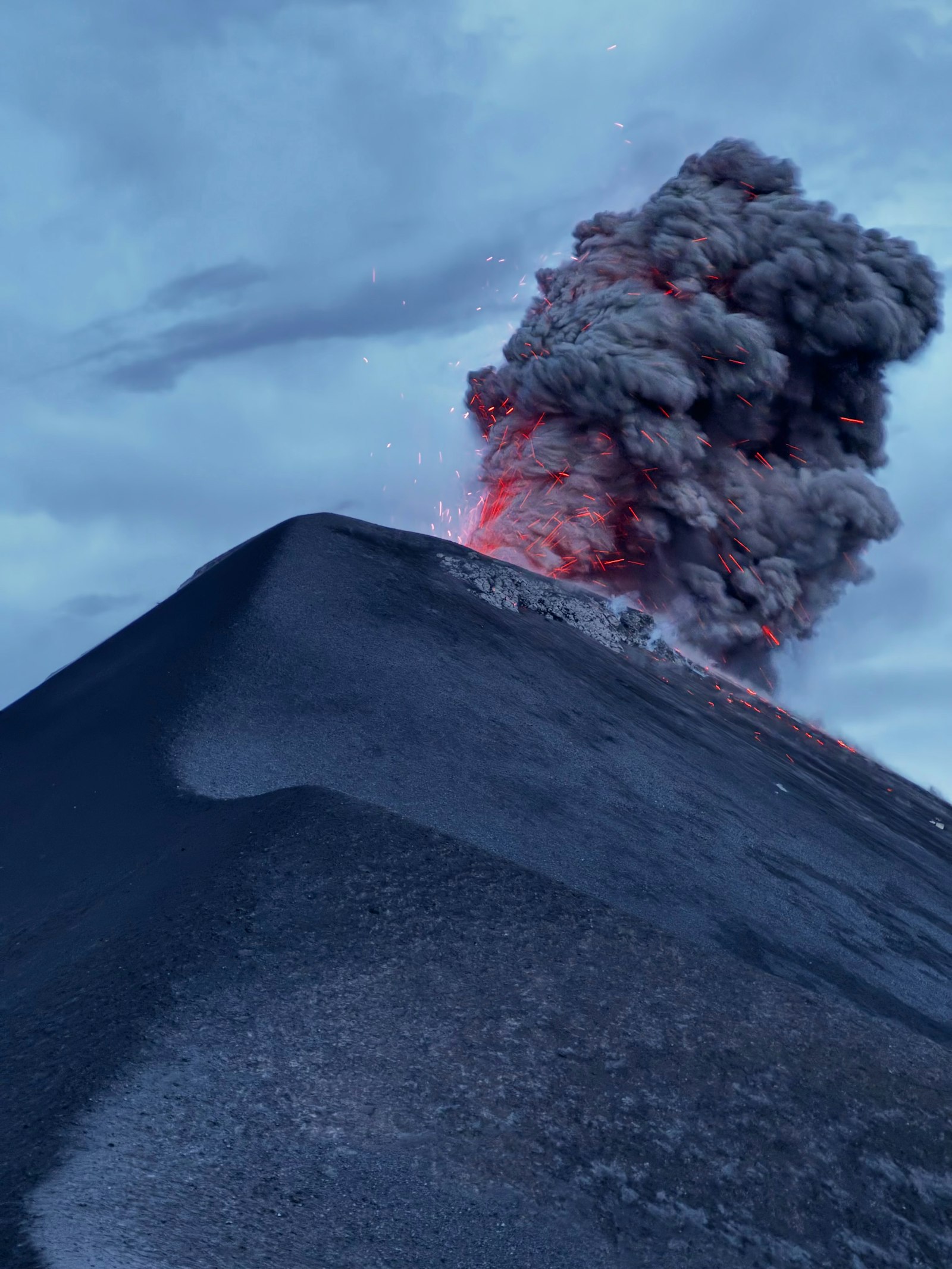
- Chikurachki volcano in Russia's Kuril Islands erupted on 26 October, sending ash 5.6 km high.
- Gales of over 70 mph and a coastal flood risk hit north-west Scotland in late October.
1. COP31 opens tomorrow in Antalya
What happened: the 31st UN Climate Change Conference opens tomorrow, 9 November, and runs until 20 November. The UN calls it a critical opportunity to speed up climate action, against a backdrop of record temperatures and growing climate impacts.
One clear example of those impacts: Swiss glaciers lost 5.5% of their ice volume in 2026, the second-biggest drop on record, according to the GLAMOS monitoring service. Over the past five years, Switzerland's glacier ice has fallen by nearly a fifth.
Course link: climate change responses (GCSE); global governance, glaciated landscapes and the carbon cycle (A-Level). For more, read Why are Nepal and Bhutan asking COP31 to focus on mountains?
2. Chikurachki erupts in the Kuril Islands
What happened: Chikurachki began an explosive eruption on 26 October, according to the Kamchatka Volcanic Eruption Response Team (KVERT). Ash rose as high as 5.6 km above sea level and drifted 240 km east. The aviation colour code was raised to orange, then lowered to yellow on 28 October. No injuries were reported.
Course link: tectonic hazards. The Kuril Islands sit on a destructive plate margin where the Pacific Plate is subducted. Aviation alerts are a good example of monitoring reducing risk even where few people live.
3. Gales and coastal flood risk in Scotland
What happened: on 26 October the Met Office kept yellow wind warnings in place for parts of Scotland and the western UK, with gusts over 70 mph possible in the far north and north-west, and the strongest winds most likely in the Hebrides. It also warned of possible coastal flooding, particularly in northern areas, before high pressure brought calmer weather later in the week.
Course link: UK weather hazards and coasts. Low pressure and strong onshore winds raise sea levels at the coast, which is why storms and coastal flooding so often arrive together.
How can parents help at home?
- Pick one story. Ask your child which topic it belongs to and what they would write about it in a 6 mark question.
- Find all three on a map. Antalya, the Kuril Islands and the Hebrides. Ask what each place tells us about a different part of the course.
- Keep a news log. One line per story in the back of a revision book. By the exam, that is a bank of up-to-date examples.
To see how we teach these topics, visit our GCSE Geography classes or A-Level Geography classes pages.
Freya Ruparel is the founder of Olympus Geography, a Cambridge Geography graduate and taught Geography for eight years.
Sources
- United Nations, COP31 to take place 9 to 20 November 2026 in Antalya, Türkiye
- PBS NewsHour (Associated Press), Swiss glaciers lost more than 5% of ice volume in 2026 (1 October 2026)
- The Watchers, The Weekly Volcanic Activity Report: October 22 to 28, 2026 (30 October 2026)
- Met Office, Strong winds and rain continue before calmer weather arrives later this week (26 October 2026)
Join our classes for exam technique support
Free resources help, but marks come from practice with feedback. Our live classes teach exam technique every week, with a monthly examiner-marked assessment.
Related articles
…