
Is Olympus Geography a good fit for a neurodiverse student?
Yes. Olympus Geography was founded by a neurodiverse geographer, and our classes and 1-1 sessions are built to be dyslexia- and ADHD-friendly: clear fonts, short chunks, worked examples, recordings of every lesson, and written feedback students can return to. We adapt pace and format without lowering expectations.
Freya's story
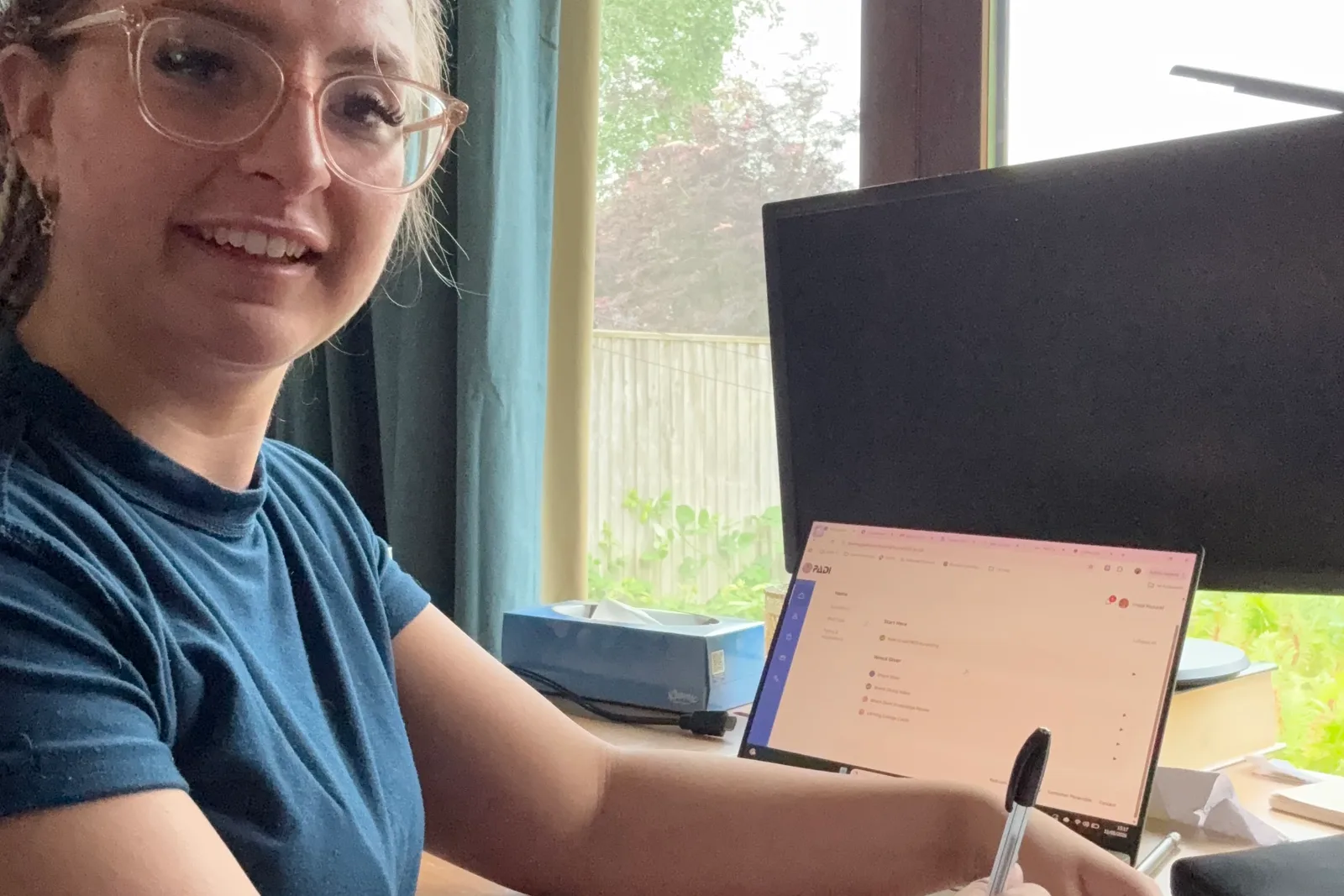
I am neurodiverse, and I know what it is like to understand a subject deeply and still find the exam room hard. At school I learnt that the way I processed information was not wrong, just different, and that the right structure made all the difference. Geography gave me somewhere to think in maps, patterns and stories, and the Olympiad showed me how far that could take me. When I started teaching, I built lessons I would have wanted: clear, calm, predictable, with every idea broken into steps and everything recorded so nobody has to keep up in real time. I still believe every student can reach the top grades. Sometimes they just need the route explained differently.
We understand the struggles first hand
We understand the struggles first hand. Our founder, Freya, is neurodiverse herself, and our Student Success Coordinator is dyslexic. Many of our students have additional needs, and our lessons and resources are built with that in mind from the start, not adapted as an afterthought.
We teach many students with dyslexia, ADHD, autism and other processing differences. In 1-1 sessions we adapt the pace, record sessions so students can rewatch them, use clear dyslexia-friendly fonts and layouts, break tasks into short chunks and send written summaries after each session. What does not change is the standard: students still learn the exam technique that earns the top grades, and they still get honest feedback. We also mirror the access arrangements your child has at school, so practice feels like the real exam.
What we change
- Lesson recordings: every lesson is recorded so students can rewatch at their own pace
- Dyslexia-friendly resources: clear fonts, generous spacing and uncluttered slides
- Chunked tasks: long questions broken into short, manageable steps
- Extra processing time: in assessments, where your child's school allows it
- Visual case studies: maps, diagrams and timelines alongside the text, plus A3 knowledge organisers that bring a whole topic together
- Written summaries: key points written down after each lesson
- A predictable structure: every lesson follows the same shape, so there are no surprises
What we do not change
- Standards: we aim for the same top grades as for every student
- Exam technique: students learn exactly what the mark scheme rewards
- Honest feedback: clear, kind and specific about what to do next
Working with your school
If your child has access arrangements, such as extra time, a reader or a word processor, tell us on the call. We mirror them in our monthly assessments so practice feels like the real exam, and we are happy to share feedback with your child's school if that helps.
1-1 or group?
Many neurodiverse students thrive in our live online classes, where the predictable structure and recordings help. Others prefer 1-1 sessions with a pace set entirely around them. We will talk through both options on the call and recommend what suits your child.
Talk to us about your child
Book a free call and tell us how your child learns best. We will be honest about whether we are the right fit.
Frequently asked questions
Do you support neurodiverse students?
Yes. This is something Freya is especially passionate about as she is neurodiverse herself. We work with many neurodiverse students and tailor pacing, note-taking, recall and essay strategy accordingly.
Does my child need a diagnosis?
No. Tell us what your child finds hard and what helps, and we will adapt, whether or not they have a formal diagnosis.
Will my child be held back in a group class?
No. Classes have a clear structure and every lesson is recorded, so students can keep up and still aim for the top grades. Many of our students have additional needs, and the structure is built for them. If your child needs more, 1-1 support runs alongside the classes.
Can you mirror my child's exam access arrangements?
Yes. Tell us about extra time, a reader or a word processor and we will reflect them in monthly assessments.
Join our classes for exam technique support
Free resources help, but marks come from practice with feedback. Our live classes teach exam technique every week, with a monthly examiner-marked assessment.