
Olympus Geography

61.6% of GCSE students got an 8 or 9

What is it like having your child tutored by Olympus Geography?

Your child joins a weekly live online class for their exact exam board, taught by a specialist tutor. Once a month they sit a timed assessment marked by an examiner, and you receive a written report. You have a named Student Success Coordinator, and every tutor is enhanced DBS checked.

You should not have to wonder whether enough is being done. We keep you in the loop every week, so you can stop worrying and enjoy watching your child's confidence grow.

When revision causes tension at home

Many parents come to us because revision has started causing tension at home: arguments about whether enough has been done, frustration on both sides, a capable child quietly losing confidence. We take that weight off the family. Our tutors give the structure, the accountability and the examiner guidance, so your child starts to believe in what they can do and you can go back to being a parent rather than a revision monitor.

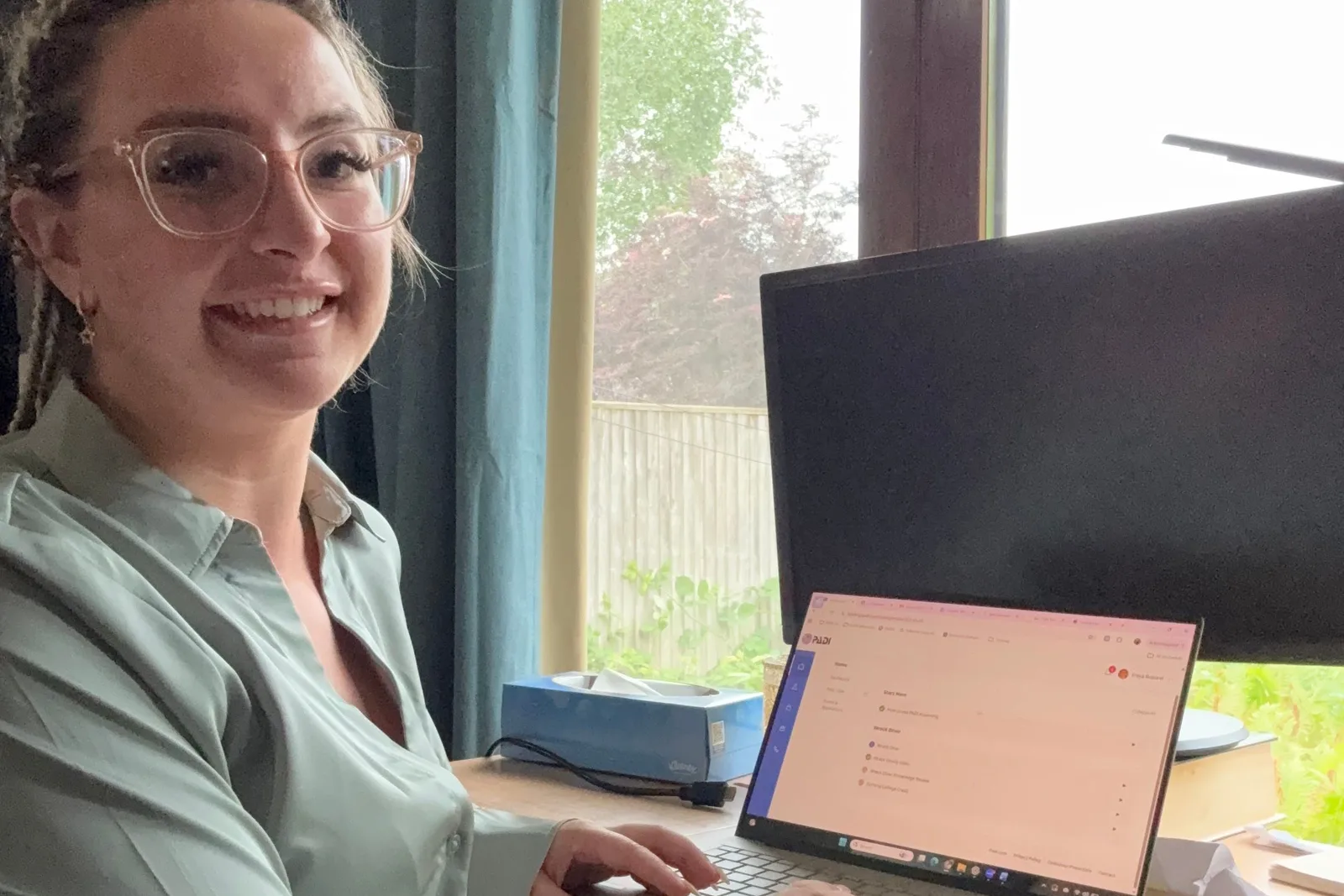
Freya smiling at her desk beside an open laptop and a monitor by a window

What a monthly report looks like

Olympus GeographyStudent, September 2026

Monthly Progress Report

Tutors
Hannah, Freya
Starting grade
C
Current grade
First assessment pending
Attendance
100%

Dear Parent,

This month's topics

Student has had a strong first month and hasn't missed a session. On Mondays we've been working through Changing Places: what gives a place its character, how numbers and written sources can show the same place differently, and how outside forces change it. On Thursdays it has been Water and Carbon, from why rivers flood to the carbon the Amazon holds.

Strengths

Student asks the question everyone else is quietly wondering about. In one lesson they stopped Hannah to ask how many sources they should be using in an essay. We didn't have a written answer for that, and now we do: it has gone into the notes we teach from. In another they asked whether every sentence starter on a worksheet had to be used, and Hannah is simplifying the sheet as a result. They are just as good when they answer. Asked how transport links shape a place, they worked from stations to jobs to investment and then added, without being asked, that tall buildings usually mean expensive land. It was the strongest answer in the class that day. One thing worth telling them at home: they are better than they think they are. Shortly before giving that answer they had told us they weren't confident with the topic.

Areas for improvement

You told us at the start that the issue was exam technique and not content, and that is what we see. Student knows the geography, but the first word they reach for is often the one next door to the right one: peak discharge when they mean lag time, shorter pathways when they mean rapid ones. In essays they can name a carbon store, but without saying what moves carbon into or out of it. They correct themselves the moment they're prompted, so nothing needs relearning. They need to slow the first answer down, because in an exam nobody prompts.

Looking ahead

The first examiner-marked assessment, on Changing Places, went out on 28 September, and a second on Water and Carbon followed on 1 October. Once they come back we'll have a much better sense of where Student is, particularly from their writing, and I'll be in touch with what they tell us. It would help to remind them that notes are allowed on the twenty mark question, and that getting both in within the week matters more than getting them perfect. Our NEA skills clinics teach general investigation skills using example investigations, not a student's own work. Examiner marking is for practice exam assessments only. Do pop me an email to book those in, or if there's anything you'd like to talk through.

Freya, Founder, Olympus Geography.

A September 2026 report, anonymised with NEA wording updated to reflect our skills clinic rules.Reports go to parents every month; weekly updates come from the tutor and your Student Success Coordinator.

Before the first lesson

You receive a welcome email with the class time and the Google Classroom link, and fill in a short onboarding form telling us the topics and areas your child wants to work on and any additional needs. We then arrange a short call so your child knows what to expect.

Get ready for class

A quick list to tick off before the first lesson.

0 of 7 ready

A typical week

Your child joins one live lesson, completes a short homework task built around exam questions, and can use the resources and lesson slides in Google Classroom at any time. You get a weekly update on the lesson from our Student Success Coordinator. Targeted weekly optional homework tasks that consolidate the lesson and develop exam technique. Meaningful, not excessive: usually 30 minutes to 1 hour.

Monthly progress report

Every month you receive a progress report covering attendance, assessment marks, strengths and next steps.

Assessments and reports

Once a month your child sits a timed assessment marked by an examiner, and you get a written report after each one. It shows the mark and grade, what went well, and the specific changes that will earn the next marks. You also get a short report after each lesson, a monthly report on progress and engagement, and check-ins from our student success team.

If your child misses a lesson

Every lesson is recorded, so your child can catch up in their own time and still hand in the homework.

Staying in touch

Our Student Success Coordinator is your named contact and checks in with you every week. Call +44 7700 138177 or email info@olympusgeography.com.

Safeguarding and online safety

Every tutor is enhanced DBS checked, lessons use waiting rooms, and there is no private messaging between tutors and students.

Dyslexia-friendly by design

Our slides use clear, dyslexia-friendly fonts, lessons are paced in short steps, and recordings let students revisit anything they missed.

Questions to ask at parents' evening

  • Which topics are my child's strongest and weakest?
  • How are they doing on the longer, extended answers?
  • Do they use case study detail well enough?
  • What grade are they working at now, and what is their target?
  • What should they practise at home before the next assessment?

Frequently asked questions

Which exam boards do you teach?

At GCSE and IGCSE we teach AQA, Edexcel A, Edexcel B, Edexcel International GCSE, Cambridge IGCSE (0460), OCR A and OCR B. At A-Level we teach AQA, Edexcel, OCR, Eduqas and Cambridge International A-Level (9696).

Are classes grouped by exam board?

Yes. Every class follows one specification, so your child is taught exactly what their exam board asks for and practises the questions they will sit.

Who teaches the classes?

Specialist Geography teachers, including current examiners and heads of department. Live classes grouped by exam board follow the relevant specification.

What if my child is behind?

Tell us on the free call. We place your child in the right class, the recordings help them catch up, and the monthly assessment shows exactly what to work on first.

How do I know it is working?

You get a short report after each lesson, examiner feedback with a mark on every assessment, and a monthly report on your child's progress and engagement. Our student success team also checks in with students, so you don't have to wait for the mocks to see how they're doing.

Can my child start part way through the year?

Yes. Students join at different points in the year. We place them in the class that fits, and the recordings and Google Classroom resources help them catch up on earlier topics.

What do the A-Level NEA skills clinics teach?

A-Level students on the programme can attend free NEA skills clinics alongside their weekly class. Our NEA skills clinics teach the skills the investigation needs, within exam board rules. We use example investigations, not a student's own work. Your child's school sets the NEA rules and deadlines, so if you are unsure what help is allowed, ask the Geography teacher.

Updates from the Olympus team: Geography news, new guides, free resources and webinar dates. No spam, unsubscribe any time.

Level