
World Cities Day 2026: why is housing at the heart of urban Geography?
World Cities Day on 31 October focused on regeneration and adequate housing for all. Here is how it links to GCSE and A-Level urban topics.
Freya Ruparel · 5 November 2026 · 3 min read · News
Last reviewed 2 November 2026
Key points
- World Cities Day on 31 October had the theme "Regenerating the City: Adequate Housing for All".
- UN-Habitat says up to 3.4 billion people lack adequate housing, including more than 1.1 billion in informal settlements and slums.
- The big exam question in urban Geography is the one regeneration raises: who benefits, and who loses out?
What happened?
World Cities Day is the UN's annual day for cities. In 2026 the global observance was hosted in Fuzhou, China, on 31 October, with forums and exhibitions running until 2 November. It closed Urban October, which began with World Habitat Day in Muscat, Oman, on 5 October.
UN-Habitat set the theme "Regenerating the City: Adequate Housing for All". The focus was on how urban renewal can improve homes, infrastructure and public spaces while keeping housing affordable for the people who already live there.
What is the Geography behind it?
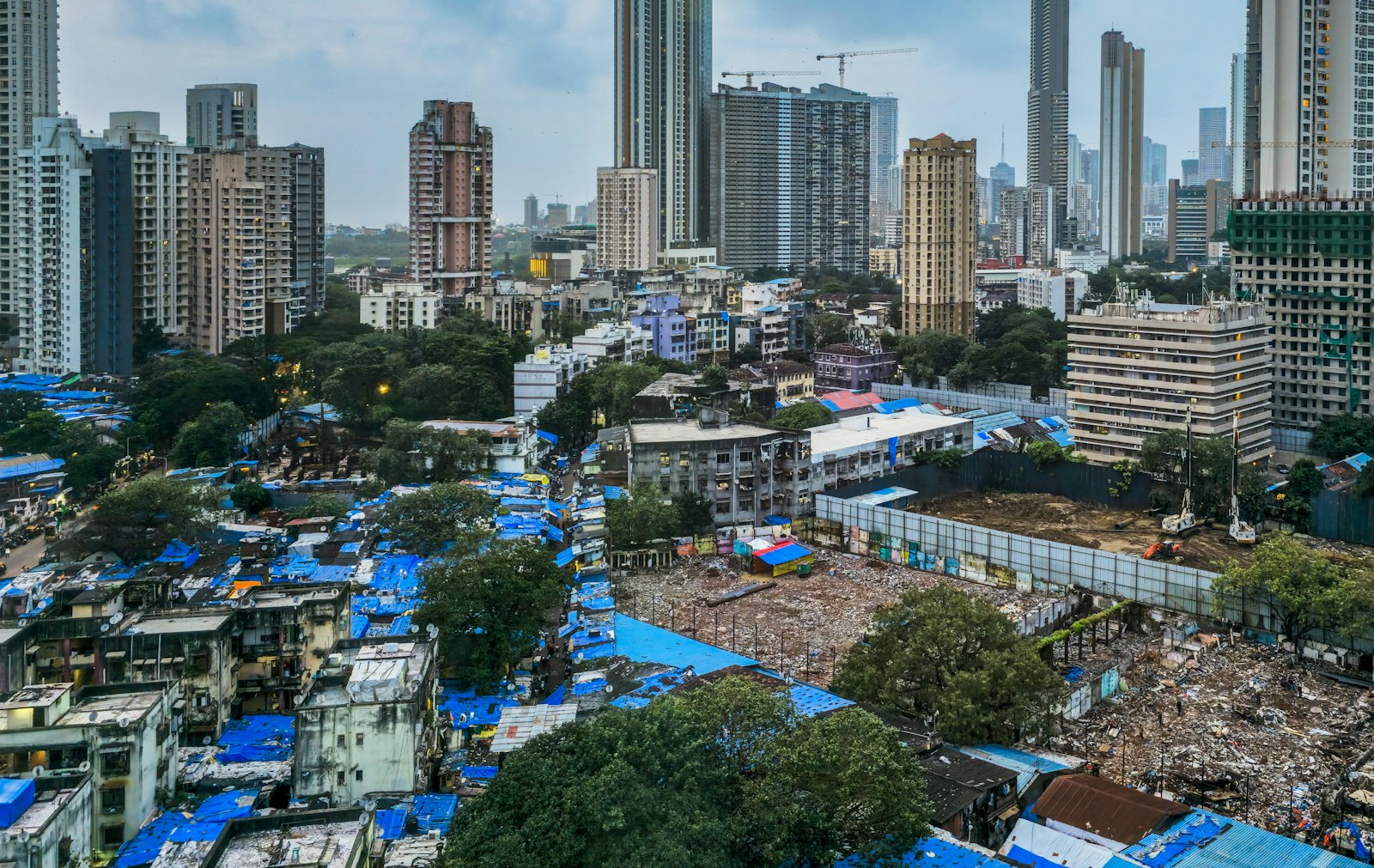
Most urban growth today is in low and middle income countries, where cities often grow faster than homes and services can be built. Many new arrivals build their own homes on land they do not own. These informal settlements often lack clean water, sanitation, drainage and secure tenure.
Regeneration means improving a run-down area: new housing, better services, upgraded public spaces. It can transform lives, but it can also raise rents and push existing residents out. This is gentrification, and weighing it up is one of the most common evaluation points in urban answers.
How does this link to GCSE / A-Level Geography?
| Level | Where it can fit (check your child's specification) |
|---|---|
| GCSE AQA | Paper 2, "Urban issues and challenges": a major city in an LIC or NEE, and UK urban regeneration |
| GCSE Edexcel A | Paper 2, "Changing cities" |
| GCSE Edexcel B | Paper 1, "Challenges of an urbanising world" |
| GCSE OCR B | "Urban futures" |
| A-Level AQA | "Contemporary urban environments"; "Changing places" |
| A-Level Edexcel | "Regenerating places" |
| A-Level OCR | "Changing spaces, making places" |
How could this come up in an exam?
Questions often ask how far a scheme has improved quality of life in a city. One style might be: "To what extent has urban regeneration improved the lives of people living in informal settlements?"
Tip: strong answers use one named city, such as Rio de Janeiro, Lagos or Mumbai, and judge the scheme for different groups of people, not just overall. Who gained? Who was moved? Did it last?
How can parents help at home?
- Ask for the three facts. Which city does your child study for urban Geography? Ask for one problem, one project that tried to fix it, and one judgement on whether it worked.
- Look at it from above. Find the city on an online map in satellite view. Can your child spot where informal housing is, and explain why it grew there?
- Bring it home. Is there a regeneration project near you? Ask your child who it is for, and who might be priced out.
Quick questions
What is the difference between a slum and an informal settlement? The terms overlap. Informal settlement describes homes built without legal permission or tenure; slum describes poor living conditions. Many places are both.
Why do examiners like regeneration questions? Because there is rarely a simple answer. They let students show balance and reach a supported judgement, which is what top-level marks reward.
To see how we teach these topics, visit our GCSE Geography classes or A-Level Geography classes pages.
Freya Ruparel is the founder of Olympus Geography. She is a Cambridge Geography graduate and taught Geography for eight years. If your child is studying A-Level urban Geography, you can book a call about A-Level Geography to talk about how we teach case studies.
Sources
- UN-Habitat, World Cities Day 2026 to explore how urban regeneration can advance adequate housing for all (22 October 2026)
Join our classes for exam technique support
Free resources help, but marks come from practice with feedback. Our live classes teach exam technique every week, with a monthly examiner-marked assessment.
Related articles
…