
Why does melting ice in Greenland and Antarctica matter for Britain's coasts?
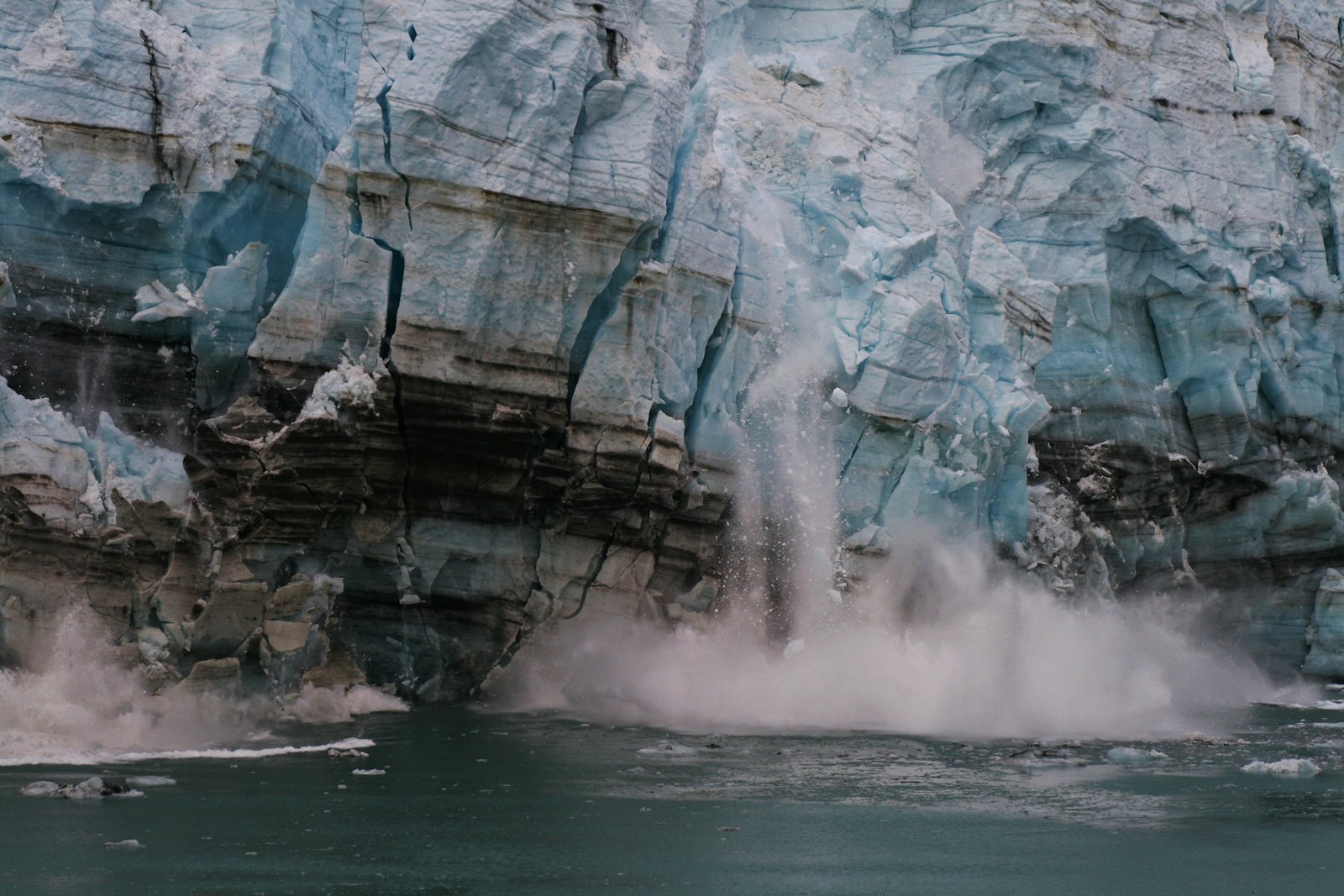
A new report says Greenland and Antarctica are melting about six times faster than in the 1990s. Here is what that means for coasts and Geography.
Freya Ruparel · 16 November 2026 · 3 min read · News
Last reviewed 12 November 2026
Key points
- The State of the Cryosphere 2026 report says the Greenland and Antarctic ice sheets are melting about six times faster than in the 1990s.
- Global sea level is rising by around 0.45 cm a year.
- The report warns that faster rises could overwhelm natural coastal defences such as salt marshes and mangroves.
What happened?
On 2 November the International Cryosphere Climate Initiative (ICCI) published State of the Cryosphere 2026: The Cost of Overshoot, reviewed by more than 50 cryosphere scientists. The cryosphere means all the frozen parts of the Earth: ice sheets, glaciers, sea ice, snow and permafrost.
Its main messages:
- "Current levels of warming are already unsafe" for the Arctic, the Antarctic, mountain glaciers and the polar oceans.
- Switzerland has lost 20% of its glacier ice in the past five years.
- Even if warming never goes above 1.5°C, more than half of the world's glaciers (by number) could disappear.
- Sea level rise faster than about 0.7 cm a year would be a breaking point for many nature-based defences, such as mangroves and salt marshes.
The WMO separately reported that Antarctic sea ice reached its third-lowest winter maximum on record in 2026.
What is the Geography behind it?
There are two kinds of ice. Sea ice already floats, so melting it does not raise sea level much. Land ice (ice sheets and glaciers) adds new water to the ocean when it melts, which raises sea level worldwide. This is called eustatic sea level change.
For coasts, the key idea is that salt marshes can build up with sediment and keep pace with slow sea level rise, protecting the land behind them. If the sea rises too fast, they drown. That is why the 0.7 cm figure matters for places such as the Essex and Norfolk coasts.
How does this link to GCSE / A-Level Geography?
| Level | Where it can fit (check your child's specification) |
|---|---|
| GCSE AQA | Paper 1, "Coastal landscapes in the UK"; climate change effects |
| GCSE Edexcel A | Paper 1, "Coastal landscapes and processes" |
| GCSE Edexcel B | Paper 2, "The UK's evolving physical landscape": coastal change and conflict |
| GCSE OCR B | "Distinctive landscapes"; "Changing climate" |
| A-Level AQA | "Coastal systems and landscapes"; "Glacial systems and landscapes" |
| A-Level Edexcel | "Coastal landscapes and change"; "Glaciated landscapes and change" |
How could this come up in an exam?
Coasts questions often ask about the threats of rising sea level and how to manage them. One style might be: "Evaluate the use of managed retreat as a response to rising sea levels."
Tip: strong answers use a named UK example, explain why salt marsh is a natural defence, and weigh cost against benefit for the people affected.
How can parents help at home?
- Ask the ice question. Which melting ice raises sea level, sea ice or land ice? Why?
- Visit a coast. If you are near the sea, look for marsh, sea walls or groynes. Ask your child which is hard engineering and which is soft.
- Practise a 6 mark answer. Give 12 minutes, no notes, then compare it with the mark scheme.
Quick questions
What does "overshoot" mean? Going above a temperature limit such as 1.5°C, even for a while, before possibly coming back down. The report argues that ice loss during overshoot cannot easily be reversed.
Is UK sea level rising? Yes. It is a key reason why some coastal communities in England are planning to move.
Read more in Why are homes on England's east coast being demolished?
To see how we teach these topics, visit our GCSE Geography classes or A-Level Geography classes pages.
Freya Ruparel is the founder of Olympus Geography, a Cambridge Geography graduate and taught Geography for eight years.
Sources
- International Cryosphere Climate Initiative, State of the Cryosphere 2026: The Cost of Overshoot (2 November 2026)
- WMO, State of the Climate Update for COP31 (9 November 2026)
Join our classes for exam technique support
Free resources help, but marks come from practice with feedback. Our live classes teach exam technique every week, with a monthly examiner-marked assessment.
Related articles
…