
What is COP31 deciding as the climate talks close?
COP31 in Antalya is due to close on 20 November. Here is what is being negotiated and how it links to GCSE and A-Level climate change.
Freya Ruparel · 20 November 2026 · 3 min read · News
Last reviewed 16 November 2026
Key points
- COP31, the UN climate summit in Antalya, Türkiye, is due to close on Friday 20 November after nearly two weeks of talks.
- The biggest arguments are about money for adaptation and how fast the world moves away from fossil fuels.
- It is a ready-made, up-to-date example for climate change questions at GCSE and A-Level.
What happened?
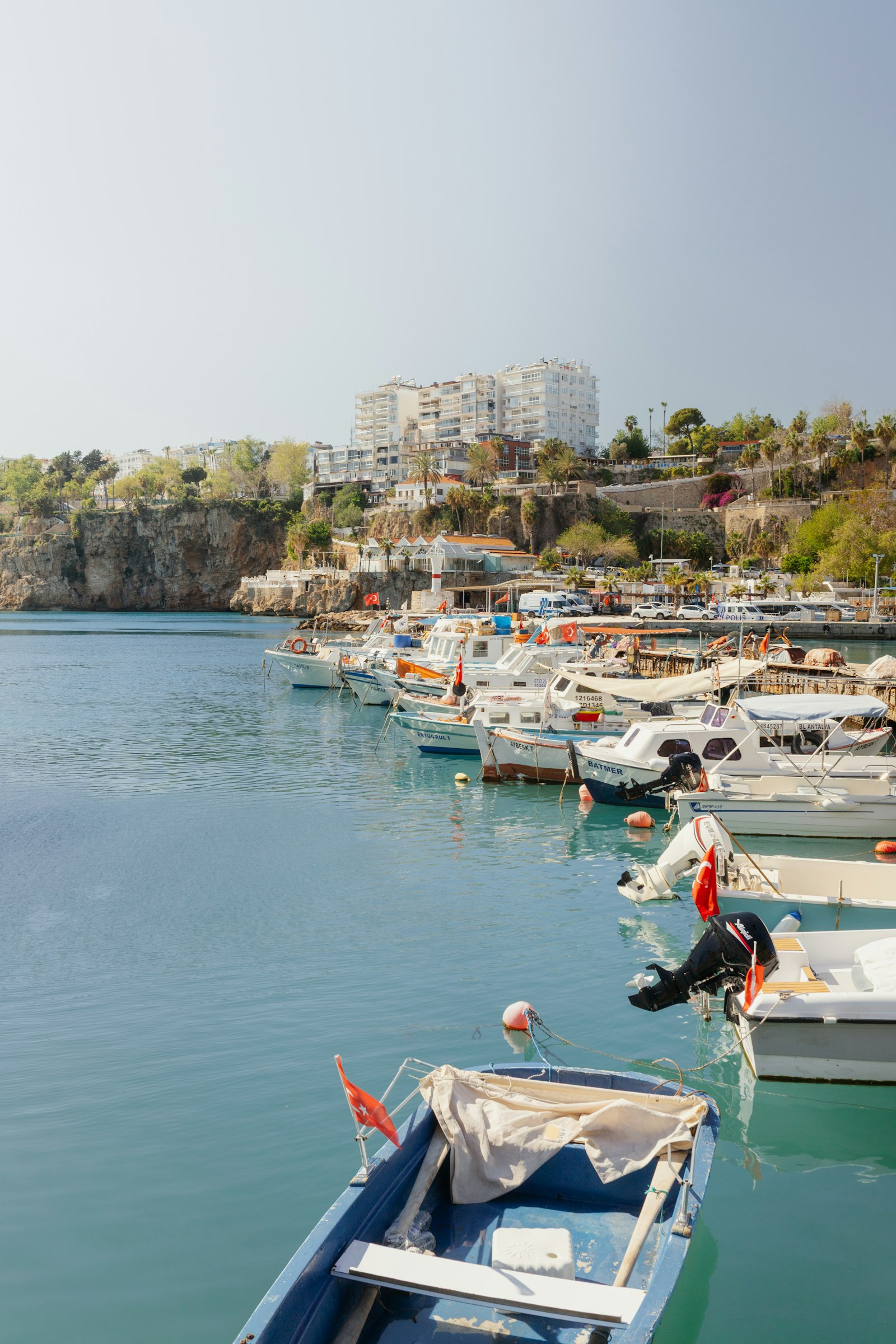
COP31 opened in Antalya on Türkiye's Mediterranean coast in early November, with nearly 200 countries taking part and more than 90,000 people expected, according to UN News. Türkiye holds the presidency, with Australia overseeing the negotiations.
On Monday 16 November an 18-page draft decision was published. Climate Home News reports that it draws on submissions from more than 160 governments and includes a goal of $120 billion a year in adaptation finance by 2035, and a target to raise electricity to 35% of global final energy use by 2035. Brazil has also presented a roadmap for a "transition away from fossil fuels", including halting new fossil fuel power plants. Some countries, including Saudi Arabia, have resisted parts of the text, and the final wording is expected to change.
What is the Geography behind it?
- Mitigation means reducing the causes of climate change, for example cutting emissions by switching to renewable electricity.
- Adaptation means changing how we live to cope with its effects, such as flood defences or drought-resistant crops.
- Lower-income countries often face the biggest impacts while having contributed least to emissions, which is why finance is so contested.
How does this link to GCSE and A-Level Geography?
| Course | Where it fits |
|---|---|
| AQA GCSE | Paper 1, The challenge of natural hazards: climate change management |
| Edexcel A and B GCSE | Climate change and global responses |
| A-Level (all boards) | Carbon cycle, climate change and global governance |
Check your child's specification for the exact wording.
How could this come up in an exam?
One style might be: "Evaluate the success of international agreements in reducing the impacts of climate change." Tip: top answers weigh up mitigation and adaptation separately, use a named agreement as evidence, and reach a clear judgement.
How can parents help at home?
- Ask the difference. Ask your child to explain mitigation and adaptation with one example of each.
- Follow the outcome. Read the final COP31 headline together this weekend and ask: did it help mitigation, adaptation, or both?
- Practise with mark schemes. One past paper question on climate management, marked against the board's mark scheme, beats an hour of rereading.
Quick questions
What does COP stand for? Conference of the Parties, the countries that signed the UN climate convention.
Will my child need to know COP31 by name? Not usually, but a recent, named example makes an answer more convincing.
Related: Why is 2026 one of the four warmest years on record?
Written by Freya Ruparel, founder of Olympus Geography, Cambridge Geography graduate with 8 years of teaching experience.
Sources: UN News (9 Nov 2026); Climate Home News (16 Nov 2026); ITV News / Associated Press (10 Nov 2026).
Join our classes for exam technique support
Free resources help, but marks come from practice with feedback. Our live classes teach exam technique every week, with a monthly examiner-marked assessment.
Related articles
…