
Which is the hardest exam board for GCSE Geography?
AQA, Edexcel A, Edexcel B, OCR A, OCR B or Eduqas: how GCSE Geography exam boards really differ, and why "hardest" is the wrong question.
Freya Ruparel · 25 November 2026 · 3 min read · Blog
Last reviewed 25 November 2026
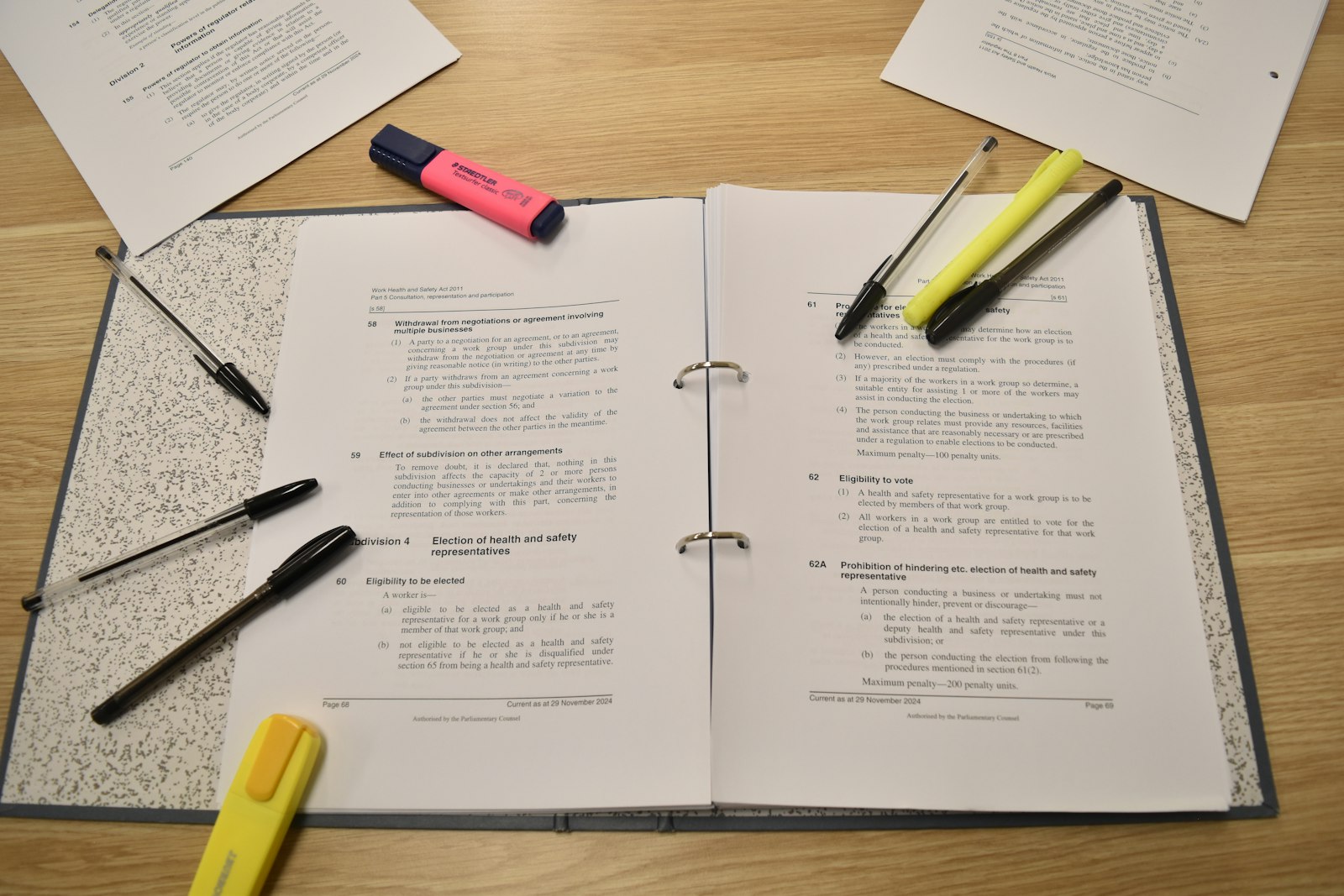
Parents ask us this a lot, usually after a mock result. The honest answer: no GCSE Geography board is officially harder than another. Ofqual regulates them so that a grade 7 on one board represents the same standard as a grade 7 on another, and grade boundaries move each year to keep it that way.
What does differ is how each board tests your child. That's what decides which one feels hardest.
How the main boards are assessed
| Board | Papers | What stands out |
|---|---|---|
| AQA (8035) | Paper 1 Physical (35%), Paper 2 Human (35%), Paper 3 Geographical applications (30%) | Paper 3 uses a pre-release resource booklet issued 12 weeks before the exam, plus fieldwork questions. Many named case studies. |
| Edexcel A (1GA0) | Paper 1 Physical (37.5%), Paper 2 Human (37.5%), Paper 3 Geographical investigations (25%) | Fieldwork and UK challenges in Paper 3. Clear topic structure. |
| Edexcel B (1GB0) | Paper 1 Global issues (37.5%), Paper 2 UK issues (37.5%), Paper 3 People and environment issues (25%) | Paper 3 is a decision-making exercise built on a resource booklet. |
| OCR A (J383) | Living in the UK today, The world around us, Geographical skills | A dedicated geographical skills paper. |
| OCR B (J384) | Our natural world, People and society, Geographical exploration | Decision-making paper using unseen resources. |
| Eduqas A and B | Three components including an applied fieldwork enquiry | Less emphasis on memorised case studies, more on applying ideas. |
So which feels hardest?
- If your child struggles to memorise: AQA can feel hardest, because it has a long list of named examples and case studies to know in detail.
- If your child struggles with unseen material: decision-making papers (Edexcel B Paper 3, OCR B, AQA Paper 3) can feel hardest, because they reward thinking on the spot.
- If your child struggles with maths and skills: boards with a dedicated skills paper, like OCR A, can feel hardest.
- If your child struggles with long answers: every board has them. The 9 and 12 mark questions decide grades on all of them.
What actually separates a 6 from a 9
Across every board, examiners reward the same things in long answers: a specific named place, accurate facts and figures, and a clear judgement that answers the question. Most students who are stuck know the content. They just haven't been taught to use it the way the mark scheme wants.
How we help
Olympus Geography classes are grouped by exam board, so your child is only taught what their own papers test, by tutors who are examiners and heads of department. Every month they sit an assessment marked by an examiner for their board. Last year 61.6% of our GCSE students achieved a grade 8 or 9.
Sources: Ofqual (comparability between awarding organisations); AQA, Pearson Edexcel, OCR and Eduqas GCSE Geography specifications.
Free Geography resources
Keyword lists, revision organisers and practical guides for your next revision session.
Want your child taught like this every week?
Book a free 45-minute call and we will recommend the right class for your child's board and year.
Book a free call- 45 minutes on Zoom, no obligation
Related articles
…